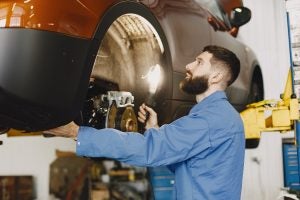


Every responsible car owner knows how important it is to make sure that the brake pads are in tip-top condition. But with replacements advised at between 30,000 and 70,000 miles, it can be challenging to find the balance. Here's our guide to help you decide when to contact your Acura dealer for a brake service. more When You Notice Signs of Trouble While many variables can affect the life of your pads, it's crucial to know the signs that they aren't functioning effectively. If you notice any of the following symptoms when you apply the brakes, it's important to schedule a replacement straight away: A low rumbling noise Screeching or squealing A vibrating brake pedal A soft or spongy brake pedal A brake pedal that feels too high or too low Sluggish response when using the brakes to decelerate Driving with worn brakes won't just put you and other road users in danger: it could also cause more costly damage to components in the braking system. The pads are designed to take on the strain to keep them fresh. If Your Driving Habits Cause Wear Some driving habits mean that pads will come under more pressure and wear out more quickly, so you'll need to replace them closer to the 30,000-mile mark. If you're prone to late or heavy braking, taking corners sharply, or "riding the brake," then consider a shorter interval between pad replacements. It's a better and safer driving practice to slow down in plenty of time and use engine braking where possible. If you're looking for ways to lengthen the lifetime of your braking components, try to stay mindful of how you're using your brakes. If the Roads Require a Lot of Braking Pads are a wearing part, so the more you use them, the sooner they'll need replacing. Some roads will require you to brake more often than others, so think about the routes that you take regularly. The braking system will wear out more quickly on roads with: Heavy traffic and stop-start driving Hilly roads with steep descents Roads with sharp turns and bends Mud, grit, or sand that causes corrosion Wet or icy roads that need heavier braking High temperatures that increase the heat of friction You will also have to brake with more force if you're slowing down a heavier load. If you regularly drive with a heavy trailer or payload, expect your brakes to need replacing more frequently. Taking all these variables into account should ensure that your brakes continue to function as your front-line safety system. But regular checkups every six months or timed to coincide with oil changes or tire rotations will guarantee that your pads are always in optimal shape. Schedule a service appointment at Ed Martin Acura for the confidence of knowing that your car is in the best hands. Image courtesy of Gustavo Fring via Pexels