

Blog / Tire Service

Blog

All Tire Service Indianapolis Acura Dealer Ed Martin Acura Service Around Town Local Acura Dealer Indianapolis Acura Service Tips and Tricks Local Acura Service 2024 Model Year Vehicle Safety Engine Test Drive 2025 Model Year Indianapolis Used Cars Acura MDX Acura RDX Fuel Efficiency Acura Integra Safety 2023 Models Brake Pads Financing Summer Service Ed Martin Acura Acura TLX Interior Oil Change Acura ZDX 2026 Models AC System Cargo Space Catalytic Converter Service Engine Repair EV Ignition Coils 2026 Acura Models Alternator Repair Audio System Car Battery Headlight Replacement Transmission Acura ADX Collision Repair Gas Mileage Leasing Overheating Winter Service 2023 Acura RDX 2026 Acura Integra 2026 Acura MDX 2026 Acura RDX Car Muffler Hybrid Towing Capacity

Enhance Handling with Acura Suspension and Steering Tune-Up

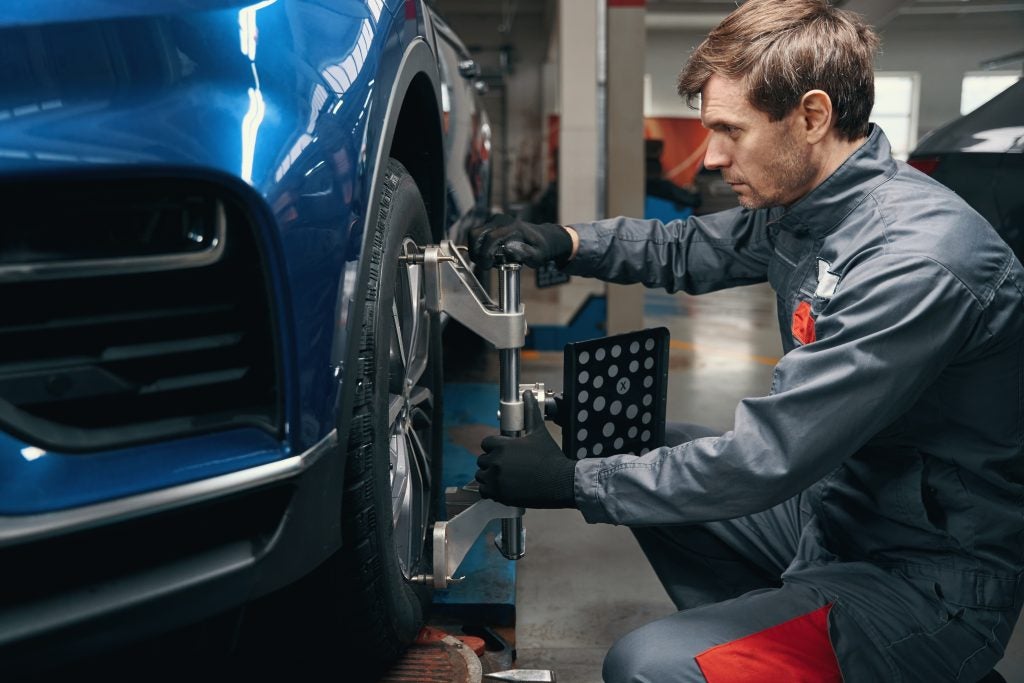
As time passes, vehicle components will wear out due to age or damage. This can make driving dangerous, as vehicle handling and control could become difficult. At your Acura dealership, we can repair any problem. We want to tell you about some of the signs you need to visit us for Acura maintenance. more Signs You Need To Visit Your Acura Dealership for Acura Maintenance Uneven Tire Wear Tire tread will wear down over time due to surface friction as you drive or brake. They will also suffer additional damage due to issues like incorrect wheel alignment or poor tire balance. These three issues cause sections of the tire tread to hit the surface harder than necessary. If you notice uneven tire wear, contact our service department, and we'll investigate. Alignment is the wheel angle viewed from directly above and from the front. Alignment is perfect when your Acura is new, but this can change due to hitting a pothole or driving over irregular terrain. We fix it by attaching your wheels to our computerized alignment machine. Tire balance issues are repaired by fitting each tire on our balancing machine and then adding additional weight to the tire to center its balance on the wheel hub. Worn Shocks If your Acura sways to one side, bounces as you drive, or squats down at the front or rear, your shocks are probably damaged. A shock absorber connects each wheel to the suspension, and its job is to smooth out driving over bumps or other irregular surfaces. In these situations, the shocks extend and compress to absorb the energy caused by the impact and dissipate it. Shocks wear out in time, and they are usually replaced every 50,000 to 100,000 miles. They need an earlier replacement if you routinely travel over rough surfaces or carry heavy loads. Our technicians will test your shocks and replace them if they're damaged, and you'll enjoy a smooth driving experience once again. Slower Braking Your Acura's brakes are designed to stop your vehicle almost instantly when you hit the brake pedal. If the brakes take longer to engage or your braking distance has increased, your braking system could be in trouble. Damaged calipers, worn brake pads, or low brake fluid can all cause these problems. Suspension problems can also reduce braking speed, as the suspension helps to keep the tires in contact with the surface to provide correct traction. Damage to the suspension can cause the tires to dip, reducing their ability to adequately grip the surface. We'll find and fix the problem, and your braking responsiveness will return to normal. These are just some of the issues we can repair. If your Acura isn't working as well as it should, contact our service department at Ed Martin Acura in Indianapolis, IN.

Enhance Handling with Acura Suspension and Steering Tune-Up

As time passes, vehicle components will wear out due to age or damage. This can make driving dangerous, as vehicle handling and control could become difficult. At your Acura dealership, we can repair any problem. We want to tell you about some of the signs you need to visit us for Acura maintenance. more Signs You Need To Visit Your Acura Dealership for Acura Maintenance Uneven Tire Wear Tire tread will wear down over time due to surface friction as you drive or brake. They will also suffer additional damage due to issues like incorrect wheel alignment or poor tire balance. These three issues cause sections of the tire tread to hit the surface harder than necessary. If you notice uneven tire wear, contact our service department, and we'll investigate. Alignment is the wheel angle viewed from directly above and from the front. Alignment is perfect when your Acura is new, but this can change due to hitting a pothole or driving over irregular terrain. We fix it by attaching your wheels to our computerized alignment machine. Tire balance issues are repaired by fitting each tire on our balancing machine and then adding additional weight to the tire to center its balance on the wheel hub. Worn Shocks If your Acura sways to one side, bounces as you drive, or squats down at the front or rear, your shocks are probably damaged. A shock absorber connects each wheel to the suspension, and its job is to smooth out driving over bumps or other irregular surfaces. In these situations, the shocks extend and compress to absorb the energy caused by the impact and dissipate it. Shocks wear out in time, and they are usually replaced every 50,000 to 100,000 miles. They need an earlier replacement if you routinely travel over rough surfaces or carry heavy loads. Our technicians will test your shocks and replace them if they're damaged, and you'll enjoy a smooth driving experience once again. Slower Braking Your Acura's brakes are designed to stop your vehicle almost instantly when you hit the brake pedal. If the brakes take longer to engage or your braking distance has increased, your braking system could be in trouble. Damaged calipers, worn brake pads, or low brake fluid can all cause these problems. Suspension problems can also reduce braking speed, as the suspension helps to keep the tires in contact with the surface to provide correct traction. Damage to the suspension can cause the tires to dip, reducing their ability to adequately grip the surface. We'll find and fix the problem, and your braking responsiveness will return to normal. These are just some of the issues we can repair. If your Acura isn't working as well as it should, contact our service department at Ed Martin Acura in Indianapolis, IN.

Ensure Optimal Stopping Power with Acura Brake Fluid Exchange

The brake fluid in your vehicle is used to translate the pressure you apply to the brake pedal to an equivalent amount of power applied to the brakes to stop or slow down your car. When your fluid is old or too low, your vehicle will not stop as quickly, which could lead to performance issues on the road. For ideal performance, schedule routine brake service at your Acura dealership. more Ensure Optimal Stopping Power with Acura Brake Fluid Exchange Most often, you will need to schedule a service to enhance the fluid in your brake system every few years. For average drivers, service every three years or 45,000 miles is adequate. However, if you have a habit of riding your brakes or you drive in bumper-to-bumper traffic, you may need to schedule brake service every other year to ensure your brake system is ready for the road. Why Do You Need a Fluid Exchange? Although the fluid in your brake system is sealed and self-contained, it can become dirty simply from being used over several thousand miles. Dirty fluid will not correctly translate the amount of brake pressure from the pedal to the brakes. It's also sometimes the case that excess moisture entering the fluid line of your brake system can throw off the chemistry of your vehicle's fluid, which can cause performance issues. What Are Signs of Brake System Issues? When your brake system encounters issues related to fluid levels, it's common for the dashboard indicator warning light for your vehicle's anti-lock braking system to turn on. You should book brake service as soon as this light turns on, since it might not be safe to drive on the road when the brake system is having performance issues. Sometimes, the first sign of brake issues may be the feel of a hard or soft brake pedal. A soft brake pedal that feels squishy or spongy when the brakes are applied is usually a sign of low fluid. You may also notice a burning smell if your brakes are overheating, or you may hear your brakes squealing when the brake pads are thinning. What Happens During Brake Service at Your Acura Dealership? During your brake service appointment, an Acura mechanic will start with a visual inspection of all brake components, from the fluid level to the pads and rotors. Any parts that appear old or worn out will be replaced, such as when brake pads are thinning. The next step will be to drain old fluid out of your brake system and replace it with new fluid that meets the performance standards for your vehicle. The brake system is your vehicle's first line of safety on the road, so it's essential to book service as soon as you notice brake performance problems. Contact Ed Martin Acura in Indianapolis, IN to schedule a fluid exchange today.

The steering wheel of a 2024 Acura MDX taken near Indianapolis, Indiana

5 Reasons to Get Differential Service at Your Dealership

Every time you make a smooth turn in your Acura, you have your differential to thank. The differential provides traction and stability when cornering, and routine maintenance keeps it functioning properly. When your Acura is due for differential service, the best place to go is your Acura dealership. more 1. Ensure Optimal Control and Handling Your differential regulates the distribution of torque to the wheels when your vehicle turns. This is important because your car's outer wheels must travel farther than the inner wheels to get around a corner. The differential compensates for the difference so you can make the turn smoothly. If your differential isn't working properly, your vehicle may be harder to control, especially when turning. You may notice pulling or instability when going around corners. 2. Reduce Gear Wear and Tear Differential fluid lubricates your differential's moving parts, just like motor oil does for your engine. When differential fluid is low or contaminated, the increased friction between the gears causes them to wear out faster. A common sign of this is a grinding sound when turning or accelerating. Friction also produces metal shavings, and since differential oil isn't filtered like motor oil, this debris can build up and make the problem worse. 3. Prevent Overheating When your differential fluid is low and the gears aren't properly lubricated, the constant grinding of metal against metal can create a dangerous amount of heat. Putting too much stress on your vehicle can contribute to this as well. If you're routinely pushing your Acura past its limits by towing too much weight, driving too fast, or letting the wheels spin out, your differential may be at risk of overheating. 4. Protect Other Components When your differential doesn't do its job, it affects other parts of your vehicle, such as your tires. Normally, your differential helps prevent excessive tire wear by providing balanced traction during turns. Without this stability, your tires can wear unevenly and might need to be replaced sooner. Your drivetrain can also be affected by a faulty differential. In rare cases, the differential can seize and damage your transmission or other drivetrain components. 5. Avoid an Accident A properly functioning differential helps keep you in control. In a worst-case scenario, a faulty differential could cause your vehicle to skid and crash, especially when cornering on wet or icy roads. If your Acura is showing symptoms of a differential problem, it's important to call your dealership right away, as delaying service could put your safety at risk. Differential maintenance is vital to your Acura's performance and longevity. For quality service from skilled technicians, contact Ed Martin Acura in Indianapolis, IN to make an appointment today.

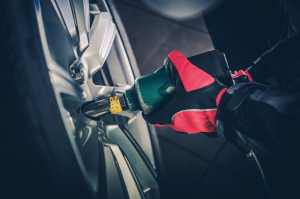
A tire rotation being performed at a service center near Indianapolis, Indiana

How Often Should You Get Your Acura's Tires Rotated

It's important to change the position of each tire on your vehicle at regular intervals. Having the certified technicians at your Acura dealership rotate your tires regularly will improve your Acura's handling and performance, ensure even tire wear, and extend the lifespan of your tires. A regular tire rotation will save you money and ensure your safety on the road. more Rotation Intervals Regularly rotating your tires is important because the front and rear tires on your Acura perform different tasks, causing them to wear down at different rates. Acura recommends swapping your tires during the 7,500-mile maintenance interval to prevent irregular wear. Our certified Acura technicians conduct professional rotations following the correct rotation pattern for your specific model. They will inspect your tires for wear and damage and inflate them to the correct pressure levels. When our technicians perform regular rotations, your tires will be in good condition, wear more evenly, and could last longer. Your model's rotation patterns and intervals are in your owner's manual, or you can speak to us for more information. Rotation Services Acura Accelerated Service offers you a range of expert services in less than an hour while you sit back and relax in our comfortable lounge. Our specially trained Acura Accelerated Service technicians will use genuine Acura parts and fluids to service your vehicle. These services can include a rotation, oil and filter change, fluid check, battery test, and a brake and suspension inspection. Our technicians will also hand torque all lug nuts, check the underside of your vehicle's chassis, inspect the exterior lights, check your seat belts, and perform a comprehensive multi-point vehicle inspection in less than 60 minutes. You even receive a complimentary crew carwash voucher with every Acura Accelerated Service. Rotation Benefits Allowing us to service your vehicle regularly offers several great benefits. Our technicians thoroughly inspect your tires, ensuring each tire is in good condition, and inflate them to the proper pressure. Regular rotations and proper inflation ensure all four tires wear evenly. When your tires wear down at the same rate, it will increase your tires' grip on the road. You will have the necessary traction to accelerate, corner, and brake safely, even on wet road surfaces. Regular rotations limit vibrations that can damage your vehicle's components and cause balancing and alignment issues, offering you a smoother and more comfortable driving experience. Ensure your tires are in good condition and last longer with regular rotations. Swing by Ed Martin Acura in Indianapolis, IN, today for an Acura Accelerated Service rotation. Our certified Acura technicians are specifically trained to perform expert services quickly and effectively to keep your Acura in top condition.

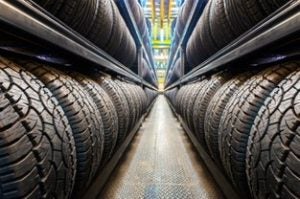
A stock of tires lined up a storage room near Indianapolis, Indiana.

Time for New Tires? Visit Your Acura Dealer Today

Your tires are the only part of your car in contact with the surface. Continual surface contact causes wear and tear on even the best tires. Worn tires are dangerous, as they can easily lead to an accident. As your Acura dealer, we'd like you to know some of the signs you need to visit us for new tires. more Lincoln Penny Test A good tread thickness is essential for safe driving, as the tread allows your tires to grip the surface effectively. Tread makes braking faster and more effective, and increases your driving control. The raised tread on a tire wears down as you drive, and once the tread reaches a thickness of only 1/16" inch, that tire needs replacement. The penny test involves placing a Lincoln penny upside down in the grooves between the tread. Your tread is in great condition if you can only see Lincoln's chin. If you can see his face up to the hairline, your tread is worn and will need replacement soon. Finally, if you can see the top of Lincoln's head, your tires tread is too thin, and you need to visit us ASAP. Visible Tire Wear Bars Tire wear bars are small rubber squares in the grooves between the tire tread. They're not visible on a new tire, as they're obscured by the tread, but they will become more noticeable as your tire gradually wear down. These bars are an important indicator of tire tread health. The more visible the tire wear bars, the thinner your tire tread is. It's important for your safety and long-term tire health to regularly examine the wear bars. If the wear bars are the same level as your tread, your tires are very worn and need to be replaced. We can easily confirm worn tires, and our technicians can fit and balance replacement tires for you while you wait. We always have stock of the correct tire size for your car in a choice of all major brands. Tire Bulges A tire bulge or bubble is a sign of internal tire damage. A bulge is formed when part of the tire is pinched against a hard, solid object. The usual cause of a tire bulge is catching the tire against a curb. Air becomes concentrated in the bulge, which stretches the rubber and makes it thinner. A bulge won't increase in size, but it causes a permanent weak point on a tire. Driving with a bulge in the tire is dangerous, as the bulge can rupture at any time and cause a blowout. We can't repair a bulge, but we can install a replacement tire for you. If you have worn or damaged tires, call our service department today at Ed Martin Acura.

Getting a tire rotation near Indianapolis, IN

4 Benefits of Getting a Tire Rotation for Your Acura

Many drivers don't realize how large an impact periodical tire rotation has on your safety, handling, and car upkeep costs. It's generally recommended to rotate your tires every 7,500 miles. For the sake of convenience, most drivers have a rotation when they visit their local Acura dealer for an oil change. Here are four good reasons to never miss a scheduled rotation. more Cost Savings on New Tires Regular rotation ensures that all your tires are wearing out evenly. This extends the lifespan of your full set of tires, which means you need to replace them less frequently. Most drivers replace their tires every 40,000 to 60,000 miles, and a well-maintained Acura vehicle can stay on the road for 300,000 miles or more. So proper tire care with regular rotation might mean you need only five sets of tires over the lifespan of your car, instead of seven or eight. That's a considerable cost-saving for any driver. Maintain Good Handling Modern Acuras have excellent handling and responsiveness. Not only does this make for a very enjoyable driving experience, but it also keeps you safer on the road. If your tires start to wear down unevenly, you'll feel it first in the handling. Your steering and cornering will no longer be quite as accurate and smooth. It's a disconcerting sensation that you can easily avoid with periodical rotation. Avoid Loss of Traction The tread depth of tires inevitably wears down over time. If the treads of one or two of your tires wear down too thin, they can lose traction and cause a skid. Tires with very shallow treads are also more susceptible to hydroplaning, which means skidding out of control while driving over a puddle of water. Inadequate tread depth causes a quarter of all tire-related car crashes. And all it takes is a single tire losing its grip to cause an accident. Regular rotation keeps any of your tires from wearing down to dangerous levels ahead of the others. Maintain a Valid Warranty A good set of tires will often come with a warranty. This warranty will guarantee reimbursement in the case of prematurely worn-out tires. It might cover a four, five, or even six-year period after the date of purchase. But such tire warranties almost always stipulate periodical rotation as part of ordinary tire maintenance. As unlikely as you are to need to make a claim, it's always reassuring to have a valid warranty. Regular rotation helps make sure you have just that. Visit Ed Martin Acura today to have your tires inspected, rotated, or replaced. Our dealership is a ten-time winner of the Acura Precision Team Award for providing a consistently exceptional customer experience.

Contact Us

Fill out this form below and we'll contact you shortly
*Required Fields