


Blog / Indianapolis Acura Service

Blog

All Indianapolis Acura Service Indianapolis Acura Dealer Ed Martin Acura Service Around Town Local Acura Dealer Tips and Tricks Local Acura Service 2024 Model Year Vehicle Safety Engine Test Drive 2025 Model Year Indianapolis Used Cars Acura MDX Acura RDX Fuel Efficiency Acura Integra Safety 2023 Models Brake Pads Financing Summer Service Ed Martin Acura Tire Service Acura TLX Interior Oil Change Acura ZDX 2026 Models AC System Cargo Space Catalytic Converter Service Engine Repair EV Ignition Coils 2026 Acura Models Alternator Repair Audio System Car Battery Headlight Replacement Transmission Acura ADX Collision Repair Gas Mileage Leasing Overheating Winter Service 2023 Acura RDX 2026 Acura Integra 2026 Acura MDX 2026 Acura RDX Car Muffler Hybrid Towing Capacity
Does Your Acura Need a Brake Repair?

Does Your Acura Need a Brake Repair?

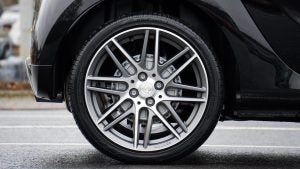
Your car's brakes must always be in top working order to be safe on the road. Below are ways to tell if your Acura needs to get to a brake repair from the qualified technicians at your Acura dealer. Does Your Acura Need a Brake Repair From Your Acura Dealer? more Visible Wear You can check if your brake pads are thin by performing a visual inspection. Look through the wheel spokes, and if the brake pads are less than a quarter-inch thick, you need to ask your Acura technician to replace the pads. High Pitched Screeching Sounds When you step on the brake and hear high-pitched screeching sounds, the small pieces of metal called wear indicator bars built into your brake pads warning you that the pads are worn down. When you hear the sound, the pads are thin and need to be replaced. Awful Grinding Noises When the brake pads wear down, and you don't get them replaced in time, you will begin to hear horrible grinding noises. Your brake pads are now worn down completely, and the grinding noises are from the metal plate scraping against the rotor. The scraping will damage the rotors and even melt the metal, causing your brakes to stick. Sticking brakes are dangerous, and you will need to get repairs done as soon as possible. Glazed Rotors Excessive and hard braking, especially at high speeds, cause the metal to heat up, warping and damaging the rotors. If you notice blue marks or dark rings on the rotors, you will have to replace them. Vibrating Brake Pedal Excessive and hard braking is not the only cause of warped rotors. When your rotors are old and wearing thin, they will also warp. When you feel vibrations through your brake pedal, it's a sign that the rotors are warped and damaged and need to be replaced. Unresponsive and Insensitive Brakes If your brakes are unresponsive and it feels if your car takes longer to come to a stop, it could be due to thin brake pads, a brake fluid leak, or an air leak in the brake hose. Ask your Acura technician to perform a brake system inspection. Brake Fluid Leaks Your car leaks fluid when you see tiny puddles on the ground under your vehicle. If the spots look like oil but are not as slick, it's brake fluid. Ask your Acura technician to repair the leak as soon as possible. Your Car Is Pulling to the Side When your car pulls to the left or right when braking, it could be due to contaminated brake fluid or unevenly worn brake linings. Your Acura technician will have to either replace the brake fluid or adjust the brake linings to eliminate the problem. Sensitive Brakes and Jerking You will have to get the brake fluid, or the rotors replaced if your car jerks to a halt when you step on the brake pedal. The brake fluid is either contaminated or old and dirty, and the rotors are worn unevenly. Either way, your Acura technician will sort out the problem in no time at all. Ensure your safety on the road and ask your Acura technician to inspect your brakes as soon as possible when you notice the issues mentioned above. Contact Ed Martin Acura today for a thorough brake system service performed by qualified Acura technicians to ensure that your brakes are working perfectly. image courtesy of pexels.com

Does Your Acura Need a Radiator Repair? 3 Common Signs

Does Your Acura Need a Radiator Repair? 3 Common Signs

Constant moving parts, friction between components, and the heat from the combustion chamber all help to raise your engine's temperature. To protect your engine from overheating, the heat from the engine is removed by a liquid coolant. This coolant flows into the radiator where the heat is expelled into the outside air. Your radiator can suffer wear, and without maintenance, it can fail. As your Acura dealer, we'd like you to know the signs you may need a radiator repair. 3 Common Signs That You Need a Radiator Repair at Your Acura Dealer more Blocked Exterior Fins Your radiator is placed behind the radiator grille as that allows it to easily receive the maximum possible airflow. The thin horizontal tubes in the radiator carry the hot coolant into the radiator for cooling. The airflow through the grille blows over the tubes as your car moves and reduces the coolant temperature. These fins are delicate and they can become blocked or damaged which can damage your radiator. Air blowing through the radiator grille contains debris and dirt which can clog the outside of the tubes and reduce their cooling ability. This is an easy fix, as you can simply clean the fins with a garden hose. The dirt and debris, because it is moving at speed, can also damage the tubes, and reduce or block coolant flow. When enough tubes are damaged, the hot coolant cannot move through the radiator, and your engine temperature will rise. Coolant Leak Your radiator operates in a highly-pressurized and very hot environment. The coolant absorbs heat from your engine, and the liquid is pumped into the radiator when it is cooled and then recycled to start the process again. The heat and pressure in the system can, unfortunately, cause damage to the radiator and its components. The rubber hoses that connect to your radiator can also suffer damage. They are strongly made, but they can wear and over time the rubber becomes brittle and leaks can develop. The clamps that attach to the hoses can also wear and loosen. Coolant is yellow, green, or pink and if you find a pool of any of these colors under your car, you have a coolant leak. Engine Temperature Too High It's normal for your engine temperature to rise while your car is moving, and your cooling system will intervene to reduce the temperature. If you notice that your temperature gauge is consistently rising, this is a cause for concern. A rising engine temperature is a sign that there is a problem with your cooling system. Your radiator may be damaged, you may have a coolant leak, or there may be a blockage in the cooling system. Most radiator problems can be fixed if they are investigated and repaired quickly. If you have a problem with your radiator, call us ASAP at Ed Martin Acura.         image courtesy of pexels.com

Contact Us

Fill out this form below and we'll contact you shortly
*Required Fields