

Blog / Ed Martin Acura Service

Blog

All Ed Martin Acura Service Indianapolis Acura Dealer Around Town Local Acura Dealer Indianapolis Acura Service Tips and Tricks Local Acura Service 2024 Model Year Vehicle Safety Engine Test Drive 2025 Model Year Indianapolis Used Cars Acura MDX Acura RDX Fuel Efficiency Acura Integra Safety 2023 Models Brake Pads Financing Summer Service Ed Martin Acura Tire Service Acura TLX Interior Oil Change Acura ZDX 2026 Models AC System Cargo Space Catalytic Converter Service Engine Repair EV Ignition Coils 2026 Acura Models Alternator Repair Audio System Car Battery Headlight Replacement Transmission Acura ADX Collision Repair Gas Mileage Leasing Overheating Winter Service 2023 Acura RDX 2026 Acura Integra 2026 Acura MDX 2026 Acura RDX Car Muffler Hybrid Towing Capacity
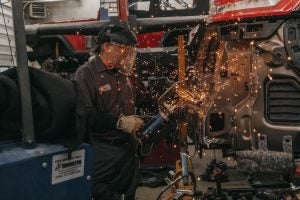
Person working on a car near Indianapolis, IN

3 Signs Your Acura Needs a New Catalytic Converter

The catalytic converter on your Acura reduces pollution. It does this by converting dangerous chemicals from combustion into less harmful ones. The conversion process uses heat, high pressure, and chemical reactions. Over time the heat and pressure can damage the converter, or it can weaken due to age. As your Acura dealer, we'd like you to know a few signs that you need to visit us for a repair or replacement converter. more Black Exhaust Smoke Black smoke from the tailpipe is a sign that your converter is damaged and may need replacement. Black smoke has a toxic stench due to the large amounts of carbon monoxide, hydrogen sulfide, and other dangerous chemicals. Under normal conditions, these chemicals are rendered harmless by your converter. The lack of conversion could be caused by a faulty oxygen sensor supplying incorrect information, a fuel-rich engine, or failed converter. In all these cases, the toxic gases from combustion forced out of the engine will cause your car to fail an emissions test. These gases will also cause long-term damage to your engine. Our technicians will find the cause of the problem and repair it. Your Engine Starts and Then Dies Starting problems are usually caused by a problem with the battery, the alternator, or the starter motor. If your engine starts and then dies very quickly, this usually means your converter is blocked. As the converter works, carbon can build up inside it. As time passes, this carbon buildup can block the exit of the converter and prevent exhaust gases from escaping. The exhaust gases that can't escape will be drawn back into your engine. These gases increase the pressure in the engine and also increase the fuel-to-air ratio. This combination of events shuts down the combustion process and causes your engine to stop. We'll examine your converter and clear any blockages we find. Once the converter is unblocked, your engine will work normally again. Rattling Noises A rattling noise from under your car is a sign that something is loose. It could be one of the brackets that supports the exhaust has failed, or your converter may be damaged. If the rattling continues when you're driving at speed, the most likely cause is a damaged converter. The rattling noise is made by broken pieces of the honeycomb inside the converter. Converters have a honeycomb interior to maximize gas conversion. The heat and pressure can create cracks in the honeycomb. This will cause pieces to break off and rattle as your car moves. We can't repair this damage, but we can replace your converter. If you suspect a converter problem, call us right away at Ed Martin Acura. Image courtesy of Andrea Piacquadio via Pexels
Time for Acura Service? 3 Signs You Should Visit the Auto Shop

Time for Acura Service? 3 Signs You Should Visit the Auto Shop

While your Acura will give you many signs that it needs service, it's not always easy to understand those signs. Furthermore, when your vehicle appears to be running smoothly, you may neglect necessary Acura service If you're unsure whether your vehicle is trying to tell you it needs work, err on the side of caution and schedule an appointment. 1. Your Vehicle Pulls to One Side It's a common misconception that if your vehicle pulls to one side that your Acura  is misaligned. This may be the case, but as soon as you notice your vehicle starting to pull, check for extra hard pulling when you brake. You may need to have the brake calipers on the side opposite of the pull checked. Brake caliper issues often happen after you get your oil changed at a "shop" that advertises five-minute oil changes. There are also other signs that you are having issues with your brake system. The most obvious sign is your ABS (automatic braking system) light coming on. You may also easily notice your brake pedal feeling soft or pulsating. Less obvious signs include your brakes making grinding or chirping noises or leaving brake dust on the wheels. more 2. Your Lights Dim Most people have a pretty good idea of when they need a new battery, but do you know when you need a new alternator? The most common sign that you need a new alternator is your headlights dim or flicker. While you may mistake this for a poor wire connection, it is a sign that the alternator is not charging your battery properly. Even if you don't notice your headlights dim, you will certainly notice signs of a failing alternator as you leave the problem uncorrected. The next most common sign is other electrical failures occur. Your dashboard lights will start to dim and your air conditioning, power locks, and power windows will work only intermittently. 3. Your Fuel Economy Drops Significantly If you notice your fuel economy drop significantly, schedule an appointment with your local Acura dealer right away. Much like a fever is a symptom of viral or bacterial infections, poor fuel economy is a symptom of several vehicle problems. Often, we see people come in with poor fuel economy who just need their air filter changed. A clogged air filter decreases fuel economy because your motor consumes extra fuel to produce power that it would usually derive from oxygen. Another common sign that you need to change your air filter right away is that your service engine light comes on. You may have neglected to change your air filter for so long that your motor sustained significant damage. While vehicle maintenance and repairs may seem like a headache, it's not when you visit a professional. Give us a call to get your next service appointment scheduled!   Image courtesy of pexels.com

Mechanic fixing a car after a collision near Indianapolis, IN

Does Your Acura Need a Collision Repair?

Many drivers don't know about collision repair. It's not something anyone would like to think about, but accidents can happen. If your car is damaged near Indianapolis, IN, your local Acura dealer has the skilled technicians and the technology to restore it to like-new. This is a brief overview of how we perform our repair. more Check-In and Estimate The first step is to assess the level of damage. This can vary widely, from paint scratches to frame straightening depending on the situation. One of our highly-trained estimators will perform a thorough inspection of your car. The estimator will catalog this inspection with a written report, photos, and video. This inspection will be used to prepare our repair plan. Once the estimator has completed the inspection, we'll produce a written estimate and send it to you. This estimate also includes time to complete the work. if your insurance is arranging the repairs, we'll send a copy of the estimate to them. We work with all insurance companies and will provide any information they require to reach their decision. Insurance Your insurance company may request a teardown. This is where we remove the damaged sections. They may also want to send their adjuster to examine your car. We'll assist them in any way possible to speed up the process. Once we receive confirmation from you or your insurance company, we'll move on to the repair step. Repair The repair process varies depending on the nature and extent of the damage. If your car has suffered impact damage, we usually start by electronically analyzing your car. This measures your car's dimensions and compares them to the dimensions stored on our computer. This process will identify even the slightest bending of the frame that may not be visible. The repair plan we prepared will guide the repair process. We allocate as many technicians as needed to ensure the speediest possible quality repair. We know you miss your Acura, and we want to repair and return it to you ASAP. Paint Other technicians will take any panels, sections, or trim that require painting to our paint shop. We'll color-match your car and create the base coat. We only use genuine Acura parts. Genuine parts are already prepared for painting with primer and sealant. Once the base coat is ready, we'll apply it and follow up with a clear coat. Quality Check Once the repairs are complete, we'll test your car's systems to ensure they work correctly. Your car will be thoroughly cleaned and prepared for your arrival. If you'd like more information on our repairs or want to book a repair, call us right away at Ed Martin Acura. Image courtesy of Jeff Burkholder via Pexels

Getting a tire rotation near Indianapolis, IN

4 Benefits of Getting a Tire Rotation for Your Acura

Many drivers don't realize how large an impact periodical tire rotation has on your safety, handling, and car upkeep costs. It's generally recommended to rotate your tires every 7,500 miles. For the sake of convenience, most drivers have a rotation when they visit their local Acura dealer for an oil change. Here are four good reasons to never miss a scheduled rotation. more Cost Savings on New Tires Regular rotation ensures that all your tires are wearing out evenly. This extends the lifespan of your full set of tires, which means you need to replace them less frequently. Most drivers replace their tires every 40,000 to 60,000 miles, and a well-maintained Acura vehicle can stay on the road for 300,000 miles or more. So proper tire care with regular rotation might mean you need only five sets of tires over the lifespan of your car, instead of seven or eight. That's a considerable cost-saving for any driver. Maintain Good Handling Modern Acuras have excellent handling and responsiveness. Not only does this make for a very enjoyable driving experience, but it also keeps you safer on the road. If your tires start to wear down unevenly, you'll feel it first in the handling. Your steering and cornering will no longer be quite as accurate and smooth. It's a disconcerting sensation that you can easily avoid with periodical rotation. Avoid Loss of Traction The tread depth of tires inevitably wears down over time. If the treads of one or two of your tires wear down too thin, they can lose traction and cause a skid. Tires with very shallow treads are also more susceptible to hydroplaning, which means skidding out of control while driving over a puddle of water. Inadequate tread depth causes a quarter of all tire-related car crashes. And all it takes is a single tire losing its grip to cause an accident. Regular rotation keeps any of your tires from wearing down to dangerous levels ahead of the others. Maintain a Valid Warranty A good set of tires will often come with a warranty. This warranty will guarantee reimbursement in the case of prematurely worn-out tires. It might cover a four, five, or even six-year period after the date of purchase. But such tire warranties almost always stipulate periodical rotation as part of ordinary tire maintenance. As unlikely as you are to need to make a claim, it's always reassuring to have a valid warranty. Regular rotation helps make sure you have just that. Visit Ed Martin Acura today to have your tires inspected, rotated, or replaced. Our dealership is a ten-time winner of the Acura Precision Team Award for providing a consistently exceptional customer experience.

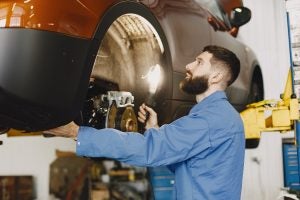
Man checking a car's brake pads near Indianapolis, IN

How Often Should You Replace Your Acura's Brake Pads?

Every responsible car owner knows how important it is to make sure that the brake pads are in tip-top condition. But with replacements advised at between 30,000 and 70,000 miles, it can be challenging to find the balance. Here's our guide to help you decide when to contact your Acura dealer for a brake service. more When You Notice Signs of Trouble While many variables can affect the life of your pads, it's crucial to know the signs that they aren't functioning effectively. If you notice any of the following symptoms when you apply the brakes, it's important to schedule a replacement straight away: A low rumbling noise Screeching or squealing A vibrating brake pedal A soft or spongy brake pedal A brake pedal that feels too high or too low Sluggish response when using the brakes to decelerate Driving with worn brakes won't just put you and other road users in danger: it could also cause more costly damage to components in the braking system. The pads are designed to take on the strain to keep them fresh. If Your Driving Habits Cause Wear Some driving habits mean that pads will come under more pressure and wear out more quickly, so you'll need to replace them closer to the 30,000-mile mark. If you're prone to late or heavy braking, taking corners sharply, or "riding the brake," then consider a shorter interval between pad replacements. It's a better and safer driving practice to slow down in plenty of time and use engine braking where possible. If you're looking for ways to lengthen the lifetime of your braking components, try to stay mindful of how you're using your brakes. If the Roads Require a Lot of Braking Pads are a wearing part, so the more you use them, the sooner they'll need replacing. Some roads will require you to brake more often than others, so think about the routes that you take regularly. The braking system will wear out more quickly on roads with: Heavy traffic and stop-start driving Hilly roads with steep descents Roads with sharp turns and bends Mud, grit, or sand that causes corrosion Wet or icy roads that need heavier braking High temperatures that increase the heat of friction You will also have to brake with more force if you're slowing down a heavier load. If you regularly drive with a heavy trailer or payload, expect your brakes to need replacing more frequently. Taking all these variables into account should ensure that your brakes continue to function as your front-line safety system. But regular checkups every six months or timed to coincide with oil changes or tire rotations will guarantee that your pads are always in optimal shape. Schedule a service appointment at Ed Martin Acura for the confidence of knowing that your car is in the best hands. Image courtesy of Gustavo Fring via Pexels

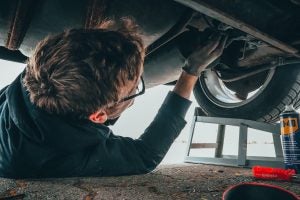
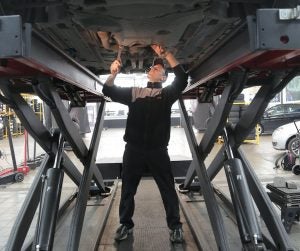
Man working on a car bear Indianapolis, IN

Is Your Acura's Car AC Not Working? Visit Your Indianapolis Dealership Today

Everyone loves summer, but you may need relief from the heat. When your turn on your car AC, you expect to be greeted by cold gusts of air. Your car AC not working can make a great day unpleasant very quickly. Fortunately, your Acura dealer in Indianapolis, IN, can fix any AC problem for you. These are a few of the possible AC problems that we can fix for you. more Refrigerant Leak The AC depends on several different systems to convert hot outside air into refreshingly cold air. These systems all depend on refrigerant gas. This gas converts from gaseous to liquid states and back again as it cools the air in your cabin. The cooling system operates as a closed system, and refrigerant isn't consumed as your AC works. A lack of refrigerant means that your car has a refrigerant leak.   Refrigerant is odorless and colorless, and it can leak out as either liquid or gas, depending on what part of the system has developed a leak. Our technicians will test for the source of the leak by injecting a UV dye into the AC system. We use a special scanner to trace the passage of the refrigerant through the system. Once we find the leak, we'll repair it and refill the refrigerant. No Air From the AC When you turn on the AC, the airflow should start immediately. If you're getting no air movement through the vents, this suggests there's a blockage in the system.   The two possible blockage points are the air vent below your windshield and the AC ducts. If you hear the click of the compressor clutch when you switch on the AC, this means air is flowing into your car, so the blockage must be in the ducts. If you don't hear a click, your AC isn't receiving air and won't start. This would mean the outside vent is blocked by leaves, dirt, or other debris. Bad Smells From the Vents If your AC is blowing cold air, but the air smells damp or musty, your AC may have unwelcome interlopers. Most AC systems are only used in summer. The long periods when the AC isn't working can allow bacteria or mold to infest the AC system and the ducts. These organisms are drawn in the air that enters your AC system.   The AC system provides a perfect place for bacteria and mold, as its dark, cool, and contains tiny amounts of water. Our technicians can easily remove these organisms using a special antibacterial and anti-mold solution. Your cabin will smell pleasantly fresh again in no time. If you have any AC problem call us immediately at Ed Martin Acura. Image courtesy of Malte Luk via Pixabay

Does Your Acura Need a New Car Air Filter?

Does Your Acura Need a New Car Air Filter?

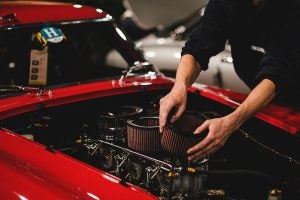
Without a working car air filter in place, debris and dust can enter your engine and cause havoc that damages both your car and your wallet. Regularly checking your car into your Acura dealer to replace worn or damaged filters is essential to maintaining your car's health. more While it's recommended that drivers replace their filters annually, this doesn't apply to everyone. Driving in dusty, rural settings or facing daily heavy traffic can affect how often it should be replaced.  So, what are some of the signs that your Acura needs a new air filter? Your Engine Has Less Power Adequate airflow is a must for your engine to perform at its highest standard. If proper air circulation isn't possible, you'll likely notice a decline in your car's performance. If your car is slow to accelerate, jerking, or not responding like it usually does, there's a chance your air filter is the culprit. Consult an Acura mechanic to check if your engine is getting enough airflow. Your Check Engine Light Is On Every driver dreads seeing their check engine light flash on. While the light might indicate a minor problem, it could be highlighting a more serious issue. The light is sometimes triggered when carbon deposits are formed because enough air isn't reaching the engine. Your trained Acura technician will be able to tell you if a faulty filter is the reason behind your lit-up engine light. Your Engine Is Making Odd Sounds A damaged filter can affect your engine's sound dynamics, causing a sputtering or coughing sound as you drive. If your car starts making noises you're not used to, especially while the car is idling, there's a chance you need to install a new air filter. Your Exhaust Pipe Is Smoking Without the right supply of air reaching the engine, you might notice black smoke or even flames when you start your car. Residual fuel left over from the combustion cycle is often expelled through the exhaust and ignites in the tailpipe. If you see this, you know it's time to get your car to an Acura mechanic. How Can an Acura Dealer Technician Help You? Not every driver is comfortable inspecting their car. Fortunately, this straightforward procedure can be carried out by a professional in just minutes. This is especially helpful considering newer car models tend to place their filters in less-than-reachable spots to save on engine space. When it comes to your car's overall health, it's best to catch easily remedied issues before they become pricey, time-consuming problems. If you think you need a new air filter, visit Ed Martin Acura today to chat with one of our skilled technicians. image courtesy of pexels.com

3 Engine Problems You Should Always Get Fixed at Your Acura Dealer

3 Engine Problems You Should Always Get Fixed at Your Acura Dealer

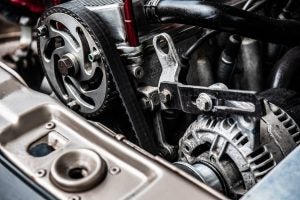
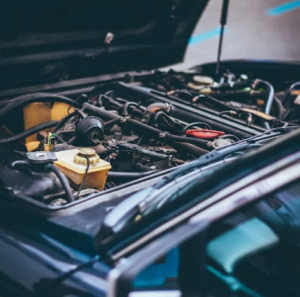
Your Acura has a great engine, but to perform at its best it needs regular services. In time, parts can wear out or need to be replaced, and your Acura dealer in Indianapolis, IN, can help you. Our technicians are trained to repair any possible problem in any Acura vehicle. These are examples of some of the engine problems we can repair for you. more Damaged Water Pump Your engine works most efficiently at high temperatures, but high temperatures can damage parts of your engine. To keep the temperature under control, your Acura has a very efficient cooling system. When the engine temperature rises over 185 F, liquid coolant is released into your engine. Coolant is a mix of antifreeze and water, and it absorbs the heat from your engine. The coolant is pumped through your engine until it reaches the radiator. In the radiator, the heat in the coolant is exchanged for cooler air that blows through the radiator grille. This system depends on the water pump. The water pump forces coolant through your engine at high speed. If the pump is damaged or fails, coolant will be released, but it won't flow. Your engine will rapidly start to overheat. Worn Alternator The alternator is responsible for producing the electrical power for all your car's systems. It converts the mechanical force from the turning of the crankshaft into electrical power. An alternator will generally last for eight years before it needs to be replaced. It can, however, suffer damage due to environmental conditions and the failure of other components, for example, the battery. The alternator charges your battery, but a worn battery has great difficulty holding a charge. When your engine starts up, the alternator begins charging your battery. It will supply a strong charge for several minutes before it slows down to a steady recharging rate. If your battery is damaged, it won't acknowledge this charge. In this case, your alternator can wear itself out trying and failing to charge your battery. Starting Problems The sad click-click sound of an engine that won't start is disheartening. Your engine requires several components to work together to start your engine. The battery provides the initial charge to the starter motor. The solenoid in the starter motor then uses this power to crank your engine. To keep the battery fully charged, your alternator must recharge it. Any of these systems can fail if they're not regularly serviced. Our technicians will check the components and find and repair the source of the starting problem. If you have any problems with your engine, call us right away at Ed Martin Acura. image courtesy of pexels.com

Need a New Car Battery? Visit Your Indianapolis Acura Dealer

Need a New Car Battery? Visit Your Indianapolis Acura Dealer

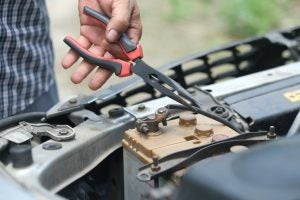
Your car's battery is essential for starting your car. If your battery suddenly fails, you're confronted with the awkward need to jump-start your car to be able to move. We'd like to make sure that doesn't happen. In Indianapolis, IN, as your Acura dealer, we can quickly and easily fit a new car battery when you need one. These are some of the signs that your battery needs to be replaced. more Misshapen Battery A car battery is usually rectangular. The heavy casing is designed to protect the delicate internal components from damage and prevent dangerous chemicals from leaking into your car. As your battery ages, the casing can suffer damage from internal and external forces. The complex chemical reactions that take place in your battery can, over time, cause the battery to bulge outwards slightly. External factors like extreme heat or cold can physically distort the casing and cause it to warp. This damage doesn't happen immediately, it's an ongoing process as the battery slightly distorts. A distorted casing causes additional damage to the battery's internal structure. If you look at your battery and it looks misshapen, it will need to be replaced. A damaged battery can't be repaired. Slow-Cranking One of the most common signs of a worn battery is a slow engine crank. When you turn the key or press the starter button, your battery sends a powerful electrical charge to your starter motor. This charge initiates the crank, and your engine should start almost immediately. The change sent to your starter motor is the largest expenditure of power your battery makes. Under normal conditions, once your engine starts, your alternator will begin recharging your battery. When a battery gets older, however, its maximum charging level drops, and it becomes more difficult to recharge even to this lower level. If you find that your engine is taking longer to crank, one of the most likely causes is a dying battery. Our technicians will check, and if the battery is the cause, we can replace it. Dim Lights You can test your battery strength by switching on your car but not starting the engine. Once your car is on, turn on the headlights. If your battery is working correctly, it will provide the charge for your headlights and they will light up. A weak battery, however, will cause your headlights to appear dim. This is because the battery doesn't have enough charge to fully power the headlights. Another sign of a weak battery is dim lights on your dash panel. When your engine isn't running, your battery supplies the power to keep all the electrical systems working. A weak battery won't have enough power to light up the dash. A weak battery can also be caused by a damaged alternator or even a problem with the battery cables. Our technicians will check and fix the problem. If your battery is showing signs of wear, call us at Ed Martin Acura today! image courtesy of pexels.com

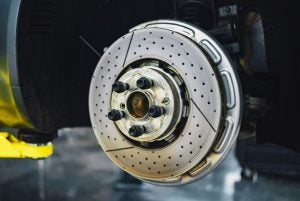
Does Your Acura Need a Brake Repair?

Does Your Acura Need a Brake Repair?

Your car's brakes must always be in top working order to be safe on the road. Below are ways to tell if your Acura needs to get to a brake repair from the qualified technicians at your Acura dealer. Does Your Acura Need a Brake Repair From Your Acura Dealer? more Visible Wear You can check if your brake pads are thin by performing a visual inspection. Look through the wheel spokes, and if the brake pads are less than a quarter-inch thick, you need to ask your Acura technician to replace the pads. High Pitched Screeching Sounds When you step on the brake and hear high-pitched screeching sounds, the small pieces of metal called wear indicator bars built into your brake pads warning you that the pads are worn down. When you hear the sound, the pads are thin and need to be replaced. Awful Grinding Noises When the brake pads wear down, and you don't get them replaced in time, you will begin to hear horrible grinding noises. Your brake pads are now worn down completely, and the grinding noises are from the metal plate scraping against the rotor. The scraping will damage the rotors and even melt the metal, causing your brakes to stick. Sticking brakes are dangerous, and you will need to get repairs done as soon as possible. Glazed Rotors Excessive and hard braking, especially at high speeds, cause the metal to heat up, warping and damaging the rotors. If you notice blue marks or dark rings on the rotors, you will have to replace them. Vibrating Brake Pedal Excessive and hard braking is not the only cause of warped rotors. When your rotors are old and wearing thin, they will also warp. When you feel vibrations through your brake pedal, it's a sign that the rotors are warped and damaged and need to be replaced. Unresponsive and Insensitive Brakes If your brakes are unresponsive and it feels if your car takes longer to come to a stop, it could be due to thin brake pads, a brake fluid leak, or an air leak in the brake hose. Ask your Acura technician to perform a brake system inspection. Brake Fluid Leaks Your car leaks fluid when you see tiny puddles on the ground under your vehicle. If the spots look like oil but are not as slick, it's brake fluid. Ask your Acura technician to repair the leak as soon as possible. Your Car Is Pulling to the Side When your car pulls to the left or right when braking, it could be due to contaminated brake fluid or unevenly worn brake linings. Your Acura technician will have to either replace the brake fluid or adjust the brake linings to eliminate the problem. Sensitive Brakes and Jerking You will have to get the brake fluid, or the rotors replaced if your car jerks to a halt when you step on the brake pedal. The brake fluid is either contaminated or old and dirty, and the rotors are worn unevenly. Either way, your Acura technician will sort out the problem in no time at all. Ensure your safety on the road and ask your Acura technician to inspect your brakes as soon as possible when you notice the issues mentioned above. Contact Ed Martin Acura today for a thorough brake system service performed by qualified Acura technicians to ensure that your brakes are working perfectly. image courtesy of pexels.com

Does Your Acura Need Winter Tires?

Does Your Acura Need Winter Tires?

When winter's approaching, drivers begin to think about how to prepare for slippery roads and poor visibility. There are various ways to winterize your vehicle, the most important of which is by switching to winter tires. Read on to learn if you should head to your local Acura dealer for a fresh set of snow tires this winter. Does Your Acura Need Winter Tires? more Winter Versus Summer Tires Summer tires are designed for road surfaces that are easy to grip and often hot. The rubber of summer tires is designed to handle problems related to heat. The rubber of summer tires is stiff and of a material that can resist scorching hot asphalt and tarmac without losing shape. The treads of summer tires are not made to scoop down into the snow and stay close to the road. As such, they're utterly unsuited to patches of road covered in slush, packed snow, or black ice. For these reasons, it's very unwise to use summer tires during a snowy winter. Winter Versus All-Season Tires All-season tires are better than summer tires for dealing with a bit of light snow. But they cannot compete with snow tires when it comes to handling real wintry, icy weather. Even if your all-season tires have "M+S" printed on the side, indicating they're suitable for mud and snow, they're still nowhere near as good as tires engineered entirely for winter. When deciding which to use, it really depends on how bad winters get in your neck of the woods. If you only see the occasional day or two of snow, and you very rarely see ice-slicked roads, then all-season tires might be sufficient. But if your local winters bring many inches of snow and frequent ice, then snow tires would be far more sensible. Let's take a look at what makes these specialist tires so good at their job. Hydrophilic Rubber The special kind of rubber used in snow tires is more flexible, allowing a broader surface area to flatten and grip the road surface. This does a great deal to boost your traction. Higher Void-To-Lug Ratio The gaps between tire treads, otherwise known as the voids between lugs, is much greater with tires designed for winter. These tires have a higher void-to-lug ratio. This allows snow to be scooped up into the voids and thrown out behind the wheel as you drive. As a result, your wheels stay closer to the road surface underneath the snow, rather than riding on top of packed snow, which is what leads to skids. Sharper Lug Edges The shape of the treads is also designed differently on snow tires. The treads have irregular patterns and sharp edges specially designed to help them dig into snow and ice more easily. Again, this helps a great deal with traction. Get Custom Sipes at Your Local Acura Dealer Sipes are little zig-zagging grooves carved into the treads, which further enhance grip. Snow tires usually have thousands of sipes on each wheel, whereas ordinary tires have none at all. You can, however, get sipes custom carved into summer tires by a technician at your local dealership. If you'd like a premium quality set of snow tires put on your car, head down to Ed Martin Acura. We're a leading local dealership and an 8-time winner of the Acura Precision Team Award, which is an award determined primarily by customer satisfaction. image courtesy of pexels.com

Does Your Acura Need a Radiator Repair? 3 Common Signs

Does Your Acura Need a Radiator Repair? 3 Common Signs

Constant moving parts, friction between components, and the heat from the combustion chamber all help to raise your engine's temperature. To protect your engine from overheating, the heat from the engine is removed by a liquid coolant. This coolant flows into the radiator where the heat is expelled into the outside air. Your radiator can suffer wear, and without maintenance, it can fail. As your Acura dealer, we'd like you to know the signs you may need a radiator repair. 3 Common Signs That You Need a Radiator Repair at Your Acura Dealer more Blocked Exterior Fins Your radiator is placed behind the radiator grille as that allows it to easily receive the maximum possible airflow. The thin horizontal tubes in the radiator carry the hot coolant into the radiator for cooling. The airflow through the grille blows over the tubes as your car moves and reduces the coolant temperature. These fins are delicate and they can become blocked or damaged which can damage your radiator. Air blowing through the radiator grille contains debris and dirt which can clog the outside of the tubes and reduce their cooling ability. This is an easy fix, as you can simply clean the fins with a garden hose. The dirt and debris, because it is moving at speed, can also damage the tubes, and reduce or block coolant flow. When enough tubes are damaged, the hot coolant cannot move through the radiator, and your engine temperature will rise. Coolant Leak Your radiator operates in a highly-pressurized and very hot environment. The coolant absorbs heat from your engine, and the liquid is pumped into the radiator when it is cooled and then recycled to start the process again. The heat and pressure in the system can, unfortunately, cause damage to the radiator and its components. The rubber hoses that connect to your radiator can also suffer damage. They are strongly made, but they can wear and over time the rubber becomes brittle and leaks can develop. The clamps that attach to the hoses can also wear and loosen. Coolant is yellow, green, or pink and if you find a pool of any of these colors under your car, you have a coolant leak. Engine Temperature Too High It's normal for your engine temperature to rise while your car is moving, and your cooling system will intervene to reduce the temperature. If you notice that your temperature gauge is consistently rising, this is a cause for concern. A rising engine temperature is a sign that there is a problem with your cooling system. Your radiator may be damaged, you may have a coolant leak, or there may be a blockage in the cooling system. Most radiator problems can be fixed if they are investigated and repaired quickly. If you have a problem with your radiator, call us ASAP at Ed Martin Acura.         image courtesy of pexels.com

Contact Us

Fill out this form below and we'll contact you shortly
*Required Fields